



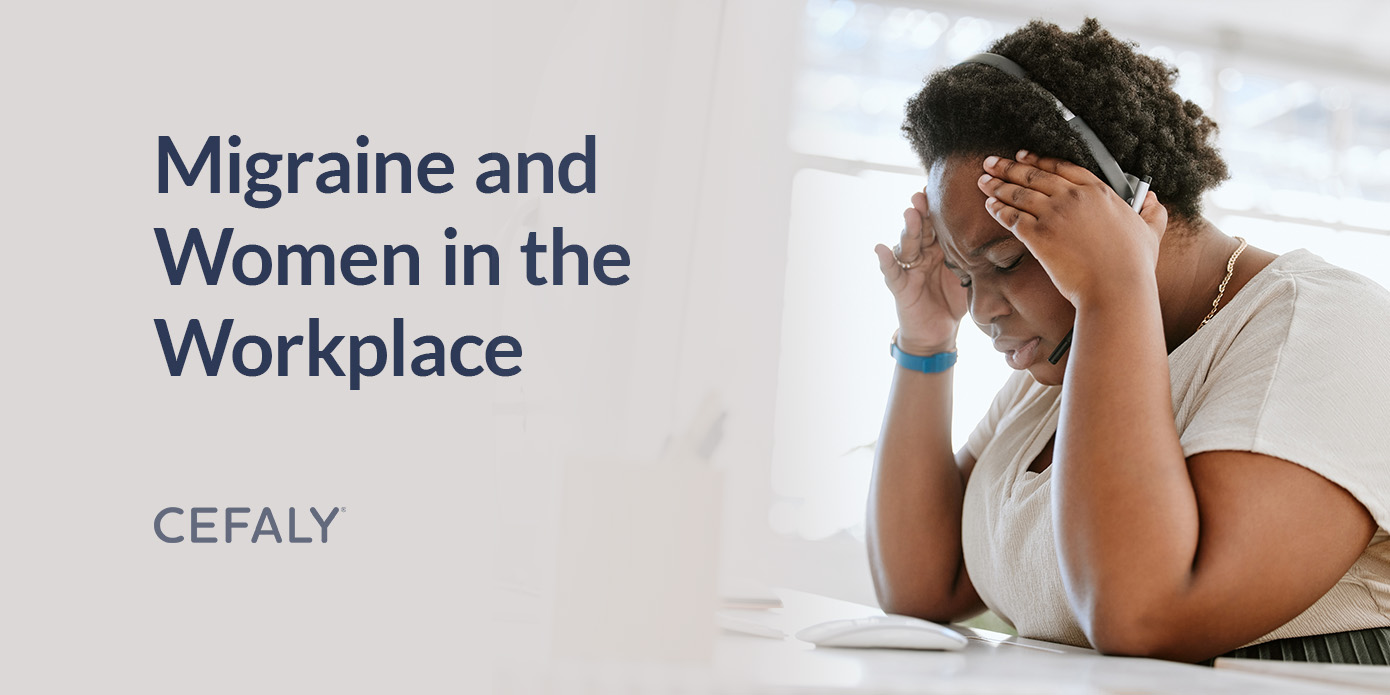
Migraine and Women in the Workplace
You have a lot to get done during the workday, and a migraine attack can get in the way of your day-to-day productivity and enjoyment of your job. While anyone can experience migraine, women are three to four times more likely than men to suffer from migraine.
Migraine is a widely misunderstood disorder that can negatively affect a woman’s relationships, career and finances. Those who experience migraine attacks frequently know how debilitating they can be. Attacks can cause severe head pain, nausea and dizziness. They can last as long as three days and interfere with your ability to function normally.
Due to the misconception and stigma surrounding migraine, millions of women with migraine feel isolated in their migraine journey. However, if you suffer from migraine at work, know that you are not alone. Keep reading to learn more about the impact of migraine on women at work. You'll also discover some common migraine triggers to look out for and tips for managing attacks during the workday.
How migraine affects women at work
When you experience a migraine attack at work without the right support and accommodations, staying focused can be a challenge. Your productivity can start to slip, affecting your long-term performance, career opportunities and job satisfaction. We explore the impact of migraine at work in depth below.
Less productivity
One of the biggest problems migraineurs face at work is the loss of productivity. Migraine attacks are usually unpredictable and can happen suddenly. During an attack, it can be hard to concentrate and perform to your usual standard. You may take longer to complete work or make more mistakes.
Working despite illness is called presenteeism, which is bad for both your health and your company's bottom line. In fact, presenteeism costs businesses far more than absenteeism, when workers take time off.
Unfortunately, workplaces with a poor company culture often enforce and encourage presenteeism. Many women continue to work through migraine attacks for fear of falling behind or losing their jobs. The issue can become worse when management has limited migraine knowledge.
Fewer promotion opportunities
Most workplaces give promotion opportunities to people who work hard and exceed expectations. However, even if you do your best and work hard when you're well, migraine attacks may reduce your chance of promotion - through no fault of your own. The main reason for this is the misconceptions about migraine. It's a common belief that migraine isn't a serious medical condition and that it only causes "bad headaches."
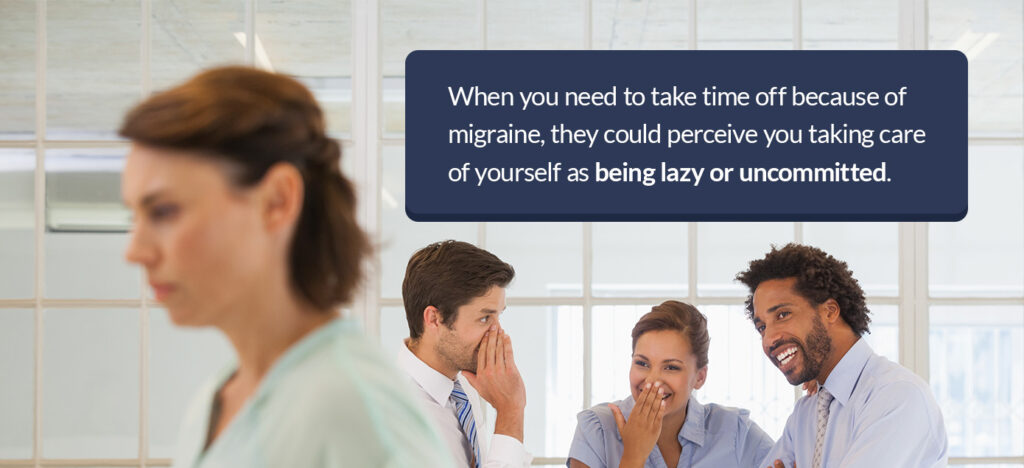
When colleagues and management believe these migraine myths, they may start to think negatively about your work performance. When you need to take time off because of migraine, they could perceive you taking care of yourself as being lazy or uncommitted. These same beliefs can show up in performance reviews when you haven't done as well at work because of migraine attacks. Women with migraine may miss out on career advancement and promotion opportunities because of this migraine stigma.
Decreased job satisfaction
Issues surrounding migraine stigma can start to turn work into a toxic environment. When you're surrounded by people who judge you for your illness, it's hard to be happy at work. Add the burnout from working through migraine attacks and frustration from the lack of recognition, and you may start to hate your job.
When you have no option but to continue working for a company that doesn’t support you, job satisfaction plunges. When this happens, people often feel stressed, sad and lonely at work. The issue snowballs from here, as poor mental health and stress can trigger and worsen migraine.




Migraine triggers for women in the workplace
The reason many women with migraine struggle with attacks at work is that there are an abundance of triggers there. Some of the most common causes of migraine in women at work include:
- Fragrances: Migraineurs with osmophobia — an aversion to smell — may experience migraine attacks from strong smells. At work, these can include strong perfumes, cleaning products, paint thinners or cigarette smoke.
- Fluorescent lights: Offices often have bright fluorescent lights that can trigger migraine for people with photophobia. This condition makes you sensitive to lights, especially just before an attack starts.
- Computer screens: Staring at a computer screen all day can trigger migraine attacks, too. Screens cause eye fatigue, which is known to induce migraine headaches.
- Loud noises: Workplaces are full of loud noises from people, machinery and vehicles. People with migraine often have phonophobia, a sensitivity to sound.
- Inactivity: You can also get more migraine attacks from sitting for long periods. This often happens to people with desk jobs. Additionally, if you slouch, the tension in your neck can increase the chances of migraine.
- Stress: Work is a leading cause of stress, which can impact your mental health. Poor mental health causes irritability and sleep issues and can lead to migraine attacks.
Migraine management tips for working women
Try the following strategies to limit migraine attacks at work and improve your working experience:
- Educate colleagues: Start conversations with your boss and colleagues about migraine. Explain what the condition is and how it influences your life. With a deeper understanding, they may start to feel more empathetic about your situation.
- Ask for accommodation: It’s completely reasonable to ask for accommodations at work to help you manage your migraine. In the United States, asking for accommodations for a disability is protected under the Americans with Disabilities Act. Flexible work schedules, standing desks, quiet rooms, softer lighting and improved acoustics are a few ideas.
- Take breaks: Throughout the workday, stand up and take frequent breaks. Spend some time away from your screen and walk around for a bit.
- Stay hydrated: Dehydration is a common migraine trigger, and it’s easy to forget to drink at work. Pack a large water bottle and set reminders to drink throughout the day.
- Create a migraine kit: Keep ice or heat packs, medication and a migraine device like CEFALY on hand at work. When you feel an attack starting, you’ll have everything you need to reduce the pain.
Try CEFALY to Prevent & Relieve Migraine Pain
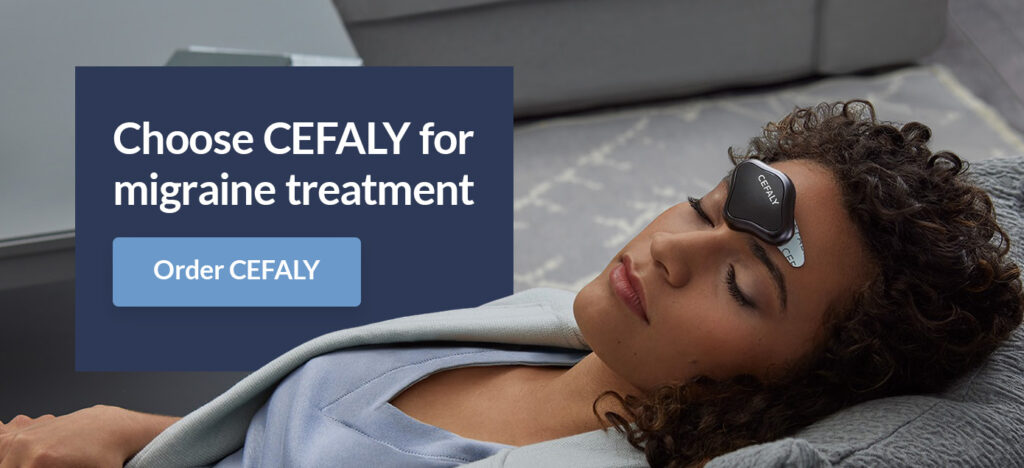
Choose CEFALY for migraine treatment
Living and working with migraine pain is difficult, which is why we created CEFALY. CEFALY is a small migraine treatment device with two modes - ACUTE and PREVENT. The ACUTE mode helps relieve pain during an attack, while PREVENT can give you more migraine-free days. The device sits on your forehead and targets the trigeminal nerve by transmitting precise electrical impulses. In one study, 38.1% of CEFALY users reduced their migraine days by half or more with compliant use.
The good news? You don't need a prescription to use CEFALY. It's FDA-cleared, drug-free and easy to use, so you can get started as soon as you receive your device. Plus, we offer a 90-day money-back guarantee in case you are not satisfied after a few months of consistent use.
Buy a CEFALY device today to get back to working at your best!





Articles récents

Le guide essentiel des dispositifs médicaux pour la migraine
CEFALY is an FDA-cleared medical device that targets the main pathway for migraine pain: the trigeminal nerve (the…

“CEFALY Gave Me My Life Back”: Camille’s Search for a Drug-Free Migraine Treatment
I've lived with migraine since my second pregnancy with my daughter. That pregnancy marked the beginning of my…

What Patients Need to Know About Episodic Migraine vs. Chronic Migraine
While official definitions classify episodic migraine as fewer than 15 headache days per month and chronic migraine as…